



























How to Fix Buffering, Freezing, and Black Screens on Firestick, Android TV, and Smart TVs: The Complete Technical Guide
The Frustration of Streaming Problems
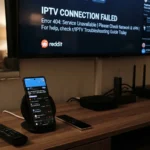
How to Fix Buffering – There is something genuinely infuriating about settling in to watch your favourite programme, only to have the stream buffer continuously. You press play. The loading wheel spins. You wait. And wait. And wait some more. Finally, it starts. You watch for thirty seconds. Then it buffers again.
This experience has become far too common for streaming device users. Whether you are using a Firestick, an Android TV device, or a smart television, streaming problems affect nearly everyone at some point. The causes are numerous. The solutions are often misunderstood. And the frustration is entirely understandable.
The reality is that buffering, freezing, and black screens on streaming devices are usually fixable. These are not permanent problems that require you to replace your device or accept inferior streaming quality. Most of the time, simple troubleshooting can resolve the issues completely.
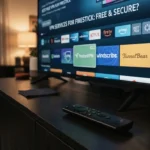
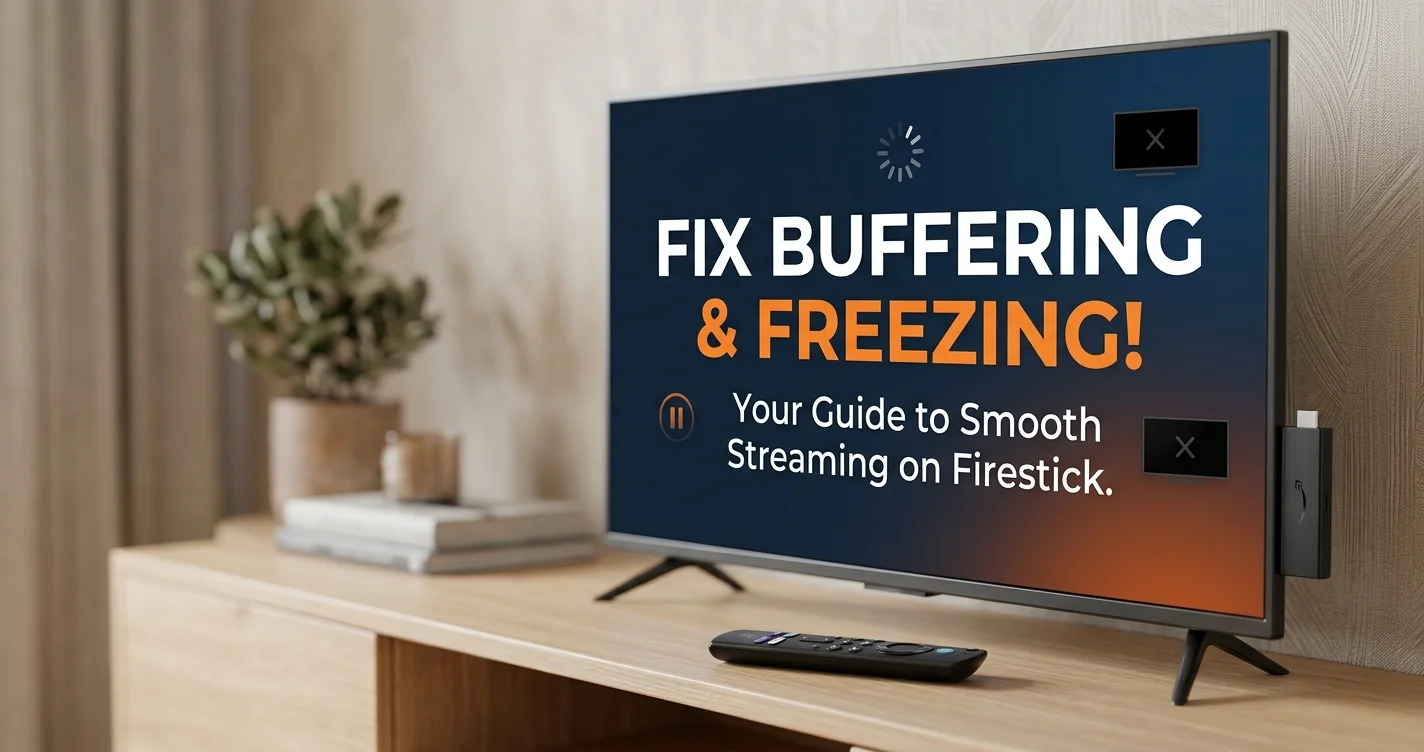
In this comprehensive guide, I will walk you through everything you need to know about fixing streaming problems on your devices. I will explain the causes of Firestick buffering fix issues, discuss Amazon Fire Stick problems specifically, address why your Firestick keeps buffering, and provide practical solutions that actually work. I will also introduce you to TiviPlanet IPTV on https://tiviplanet.com, a streaming service that minimises these problems through superior infrastructure.
Table of Contents
Understanding Buffering: What is Actually Happening
Before you can fix buffering, you need to understand what buffering actually is.
Buffering is the process where your device downloads video data ahead of time before playing it. The idea is that if your device has downloaded several seconds of video in advance, it can keep playing even if your internet connection temporarily slows down.
When buffering occurs, your device is essentially saying: "I do not have enough video data downloaded to keep playing smoothly right now. I need to pause and download more data before continuing."
This is actually a protective mechanism. Without buffering, your video would constantly freeze and stutter as the internet connection fluctuated. Buffering prevents this by maintaining a buffer of pre-downloaded content.
The problem arises when the buffer runs out faster than new data can be downloaded. This happens when your internet connection is not fast enough to keep up with the video bitrate being streamed.
Understanding this fundamental concept is crucial to fixing buffering issues. Most buffering problems are actually internet connection problems, not device problems.
Firestick Buffering Fix: Diagnosing the Root Cause
When your Firestick keeps buffering, the first step is diagnosis. What is actually causing the problem?
Internet speed is the most common culprit. Firestick buffering fix often begins with checking your actual internet speed. You can do this through speed testing websites. You need at least five megabits per second for standard definition streaming, ten for HD, and twenty-five for 4K.
Wi-Fi signal strength is another common issue. Firesticks connect wirelessly. If your Wi-Fi signal is weak, data transfer rates slow down, causing buffering.
Router placement matters enormously. If your Firestick is far from your router, or if thick walls block the signal, buffering increases.
Network congestion is another factor. If multiple devices are using your network simultaneously, bandwidth gets divided. This reduces available speed for your Firestick.
The Firestick device itself can sometimes be the problem. Overheating, insufficient storage, or outdated software can all cause buffering.
The streaming service you are using can also matter. Some services have infrastructure problems. Some streams are simply higher quality, requiring faster connections.
Amazon Fire Stick: The Hardware Consideration
Understanding Amazon Fire Stick hardware helps you diagnose problems more effectively.
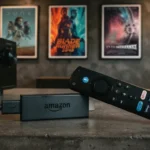
Amazon Fire Stick comes in several generations. Older models have less processing power and less RAM. These can struggle with modern streaming demands.
The Amazon Fire Stick 4K version has more powerful hardware than the standard Fire Stick. If you have an older model, upgrading might genuinely help if buffering problems are severe.
Storage space on your Amazon Fire Stick matters. When storage is nearly full, the device performs poorly. Apps cannot update properly. The system becomes sluggish.
RAM is another consideration. Older Fire Sticks have limited RAM. With many apps running, the device can struggle to keep up.
However, before blaming the hardware, understand that most buffering issues are actually network-related, not hardware-related. Fixing your network often solves the problem without replacing the device.
Firestick Keeps Buffering: The Network Diagnosis
If your Firestick keeps buffering, start by diagnosing your network.
First, check your internet speed. Go to a speed testing website on your computer or phone. Run a test. Compare the results to your internet plan's advertised speeds. If you are getting significantly less, contact your internet provider.
Second, check how many devices are connected to your network. Each connected device uses bandwidth. More devices means less bandwidth available for your Firestick. Disconnect devices you are not actively using.
Third, check what other devices are doing. If someone is downloading large files, uploading videos, or video calling while you stream, that consumes bandwidth. Ask them to wait.
Fourth, test your connection in different locations. Move your Firestick closer to the router. See if buffering improves. If it does, Wi-Fi signal strength is the problem.
Fifth, check your router settings. Some routers have features that limit bandwidth per device. Check if this is enabled. Disable it if it is.
Sixth, restart your router. Unplug it. Wait thirty seconds. Plug it back in. This often resolves temporary network issues.
Fixing Buffering on Android TV: A Different Approach
Android TV devices have their own specific issues and solutions.
First, clear the app cache. Go to Settings, Apps, select the streaming app, and choose "Clear Cache". This removes temporary data that might be causing problems.
Second, update the app. Developers release updates to fix bugs. Outdated apps can be problematic.
Third, check Android TV system updates. Go to Settings, About, System Updates. If updates are available, install them.
Fourth, disable hardware acceleration if available. Some Android TV devices have this option. It can sometimes cause problems. Disabling it might help.
Fifth, reduce streaming quality. In your streaming app settings, reduce video quality to 720p or 480p. See if buffering stops. If it does, your network cannot handle higher quality.
Sixth, check for background processes. Some apps run in the background, consuming bandwidth. Disable notifications and background activity for apps you do not need.
Seventh, factory reset as a last resort. This deletes everything and restores the device to factory state. Only do this if nothing else works.
Smart TV Buffering: Built-in Solutions
Smart TVs have their own approaches to fixing streaming problems.
First, restart the television. Unplug it. Wait thirty seconds. Plug it back in. This clears the television's memory and often fixes temporary issues.
Second, check the television's internet connection. Go to network settings. Forget the network. Reconnect to it. This refreshes the connection.
Third, update the television's firmware. Most smart TVs receive occasional updates. Check Settings, About, Software Updates. Install any available updates.
Fourth, factory reset the television if problems persist. This is more drastic, but it often works when nothing else does. Be aware that this deletes all settings and apps.
Fifth, ensure your television supports the streaming service you are using. Some older smart TVs do not have apps for newer services. Check compatibility before assuming the television is broken.
Sixth, check HDMI cable quality if you are using external devices. A faulty cable can cause picture problems. Try replacing it.
The Internet Connection: The Usually Culprit
I cannot overstate the importance of internet connection problems. Most streaming issues trace back here.
Your internet speed must be adequate. For smooth streaming without buffering, you generally need:
Standard definition: 5 Mbps minimum
High definition: 10 Mbps minimum
4K: 25 Mbps minimum
These are minimums. Having more speed provides a buffer for fluctuations.
Your Wi-Fi signal strength matters enormously. Ideally, you want a strong signal throughout your home. If your streaming device is far from the router, the signal weakens. Use Wi-Fi analysers to find the best placement for your router.
Interference can also be a problem. Microwaves, cordless phones, and other devices emit signals that interfere with Wi-Fi. Keep your router away from these devices.
A wired Ethernet connection is always better than Wi-Fi if possible. If your streaming device has an Ethernet port, or if you can use an Ethernet adapter, use it. Wired connections are faster and more stable.
Router Configuration: Often Overlooked
Your router settings can significantly impact streaming quality.
Ensure your router is using modern Wi-Fi standards. Older routers supporting only 2.4GHz will be slower than routers supporting 5GHz.
Update your router's firmware. Like other devices, routers receive updates. Outdated firmware can cause problems.
Check if your router has QoS (Quality of Service) settings. These allow you to prioritise certain devices or traffic. You can prioritise your streaming device.
Ensure your router is not overloaded with too many connected devices. If you have dozens of devices connected, some may need to be disconnected.
Restart your router regularly. Once weekly is reasonable. This clears memory and refreshes connections.
Consider replacing your router if it is very old. Old routers often struggle with modern streaming demands.
Storage Space: A Frequently Overlooked Issue
Many streaming devices have limited storage. When storage is full, performance suffers.
Check your device's storage. Go to Settings, Storage, and see how much space is free. You need at least 20% free space for the device to function properly.
Delete unused apps. Go through your apps and delete ones you no longer use. This frees up space.
Clear app caches. Go to Settings, Apps, and clear caches for apps you use frequently. This removes temporary data.
Delete old downloads. If you have downloaded content for offline viewing, delete what you no longer need.
Software Updates: Keeping Everything Current
Outdated software is a surprisingly common cause of streaming problems.
Check for device updates. Go to Settings, About, System Updates. Install any available updates.
Check for app updates. Open your app store. See if any of your apps have updates available. Update them.
Some devices auto-update. Check if this is enabled. If not, enable it to ensure you always have the latest versions.
Developers release updates to fix bugs and improve performance. Using outdated software means missing these improvements.
Reducing Streaming Quality: A Practical Solution
If you have done everything and buffering persists, reducing streaming quality can help.
Most streaming apps have quality settings. You can usually choose between:
480p (standard definition)
720p (HD)
1080p (full HD)
2160p (4K)
If you are experiencing buffering at 1080p, try reducing to 720p. If buffering continues, reduce to 480p.
This is not ideal, but it works when your internet cannot handle higher quality.
Clearing Cache and Data: A Useful Troubleshooting Step
Many streaming problems resolve by clearing app cache.
On Firestick: Go to Settings, Applications, Manage Installed Applications, select the app, choose Storage, Clear Cache.
On Android TV: Go to Settings, Apps, select the app, Storage, Clear Cache.
On Smart TV: This varies by manufacturer, but usually involves finding app settings and clearing temporary data.
This removes temporary files that might be causing problems without deleting your account information or settings.
Restart Everything: The Universal Fix
Sometimes the simplest solution works. Restart everything systematically.
First, restart your streaming app. Close it completely. Reopen it.
Second, restart your streaming device. Unplug it. Wait thirty seconds. Plug it back in.
Third, restart your router. Unplug it. Wait thirty seconds. Plug it back in.
Fourth, restart your television (if relevant). Unplug it. Wait thirty seconds. Plug it back in.
This process clears memory, resets connections, and often resolves temporary glitches.
Black Screens: A Different Problem Entirely
Black screens are different from buffering. They require different solutions.
Black screens can indicate several problems: connection loss, HDMI issues, resolution incompatibility, or app crashes.
First, check your HDMI connection. Ensure the cable is firmly connected on both ends.
Second, try a different HDMI port on your television.
Third, restart your streaming device.
Fourth, check if your television recognises the device. This appears in television input settings.
Fifth, restart your television.
Sixth, try a different HDMI cable. The cable itself might be faulty.
If these steps do not work, the problem might be more serious, potentially requiring professional help.
Freezing: When Video Stops Playing
Freezing is when video stops playing but audio continues, or both stop, or the video becomes stuck on a single frame.
Freezing usually indicates the device cannot process the video fast enough.
First, reduce streaming quality. Try lower resolution.
Second, close other apps running in the background.
Third, restart the streaming app.
Fourth, update the device's software.
Fifth, ensure the device has adequate storage space.
Sixth, restart the device.
If freezing persists, the device's processor might be struggling. This is common with older devices.
Frequently Asked Questions: Your Streaming Solutions
Q: Why does my Firestick keep buffering during live sports?
A: Live streaming requires more stable internet. Sports events often have more viewers, potentially straining servers. Also, ensure you have adequate internet speed for the quality being streamed.
Q: Can I fix buffering without restarting?
A: Sometimes. Clearing app cache or closing background apps might help. But restarting usually solves it.
Q: How do I know if the problem is my device or my internet?
A: Test another device on your network. If it buffers too, the problem is your internet. If only one device buffers, the problem is likely that device.
Q: Will upgrading my internet speed fix buffering?
A: Probably, if you currently do not have adequate speed. But if your speed is already adequate, upgrading will not help.
Q: Is hardware acceleration good or bad?
A: It is usually good for performance. But in some cases, it causes problems. Try disabling it if you experience issues.
Q: How often should I update my devices?
A: As soon as updates are available. Updates fix bugs and improve performance.
Q: Can a faulty HDMI cable cause buffering?
A: Unlikely. It is more likely to cause black screens or no picture. But it could theoretically cause issues.
Q: Should I use Wi-Fi or Ethernet?
A: Ethernet is always better if available. It is faster and more stable.
Q: Will a new router fix my buffering?
A: If your router is very old, possibly. Modern routers handle streaming better. But if your internet speed is adequate, a new router might not help.
Q: Should I factory reset my device?
A: Only as a last resort. It works sometimes, but erases everything. Try all other solutions first.
Advanced Troubleshooting: For the Technically Inclined
For those willing to delve deeper, some advanced solutions exist.
You can use command-line tools to diagnose network problems. Ping and tracert commands can identify connection issues.
You can check detailed network statistics to understand what is happening.
You can monitor bandwidth usage to see which apps consume most data.
These require technical knowledge, but they provide detailed information about what is happening.
When to Contact Support
If you have tried everything and problems persist, contact support.
Contact your internet provider if internet speed is below advertised rates.
Contact the device manufacturer if the device seems faulty.
Contact the streaming service if problems occur only with that service.
TiviPlanet IPTV on https://tiviplanet.com: A Superior Alternative
Now, let me introduce something that might interest you. TiviPlanet IPTV on https://tiviplanet.com is a streaming service that minimises these problems through superior infrastructure.
TiviPlanet IPTV uses redundant servers designed to minimise buffering. They have invested in infrastructure that prioritises streaming quality.
Because TiviPlanet manages their own content distribution, they have direct control over quality. They are not at the mercy of third-party infrastructure like some services are.
TiviPlanet IPTV's encoding optimises for different internet speeds. This means even if your connection is not perfect, the service adapts to it.
The service is designed with stability in mind. Hundreds of thousands of users rely on TiviPlanet for uninterrupted streaming.
Why TiviPlanet IPTV Differs from Traditional Streaming Services
TiviPlanet IPTV takes a different approach to streaming delivery.
Traditional services like Netflix or Amazon Prime video must deliver content to millions of users simultaneously. This infrastructure complexity sometimes leads to problems.
TiviPlanet IPTV focuses specifically on live television streaming. This specialisation means their infrastructure is optimised for this purpose.
The service runs on dedicated infrastructure designed specifically for this use case.
The Practical Benefits of TiviPlanet IPTV
Using TiviPlanet IPTV offers several practical advantages.
Buffering is significantly reduced due to superior infrastructure.
Freezing is less common because the service is optimised for stable streaming.
Black screens are rarer because the service has robust error handling.
Overall experience is smoother because the entire system is designed for this specific purpose.
Conclusion: Getting Back to Enjoyable Streaming
Streaming problems are frustrating, but they are usually fixable. By systematically working through the solutions outlined in this guide, you can resolve most buffering, freezing, and black screen issues.
Start with the most likely culprits: internet speed, Wi-Fi signal strength, and router placement. These account for the majority of streaming problems.
If those do not work, move on to device-specific solutions: clearing cache, updating software, restarting the device.
If problems persist, consider upgrading your internet speed or your streaming device.
And if you want to minimise these problems entirely, consider TiviPlanet IPTV on https://tiviplanet.com, a service designed specifically to eliminate streaming problems.
Start Troubleshooting Today
Do not accept poor streaming quality. Take action. Follow the steps in this guide. Your streaming experience will improve dramatically.
If you want the most reliable streaming experience without troubleshooting hassles, visit https://tiviplanet.com and explore what TiviPlanet IPTV offers.
Better streaming is possible. You just need to know how to achieve it.
Additional Resources
For further information about streaming troubleshooting and optimization:
Amazon Firestick Support provides official troubleshooting guides.
Android TV Support offers comprehensive guides for Android TV devices.
TechRadar publishes detailed streaming device reviews and troubleshooting guides.
Wired Magazine provides technical articles about streaming technology.
Speed Test allows you to test your internet connection speed.



[…] My TV Keep Freezing – If your TV keeps freezing, it can be frustrating and disrupt your viewing experience. The good news is that, in most cases, the issue can be resolved with some basic troubleshooting and maintenance. In this article, we will explore the common causes of TV freezing, provide step-by-step troubleshooting steps, and offer expert tips to help you resolve the issue and enjoy uninterrupted viewing. […]