











































What Is IPTV? How Does It Work, What Are the Pros and Cons in 2026?
What Is IPTV? – The television landscape has undergone a radical transformation over the past decade, with Internet Protocol Television (IPTV) emerging as a powerful alternative to traditional cable and satellite services. As we navigate through 2026, understanding what IPTV entails, how it functions, and its advantages and disadvantages has become essential for consumers making informed entertainment choices.
For households worldwide seeking to optimize their viewing experiences whilst managing escalating entertainment costs, IPTV represents a technology that fundamentally reimagines content delivery. The shift from broadcast and cable transmission to internet-based streaming has democratized access to global programming whilst introducing new considerations around quality, reliability and legality.
This comprehensive guide examines every facet of IPTV in 2026, from technical foundations and operational mechanisms to practical comparisons with traditional services. Whether you’re contemplating cutting the cord entirely or simply exploring options to supplement existing subscriptions, these insights will help navigate the increasingly complex world of television content delivery.
Table of Contents
What Is IPTV?
IPTV Technology Fundamentals
Understanding the core technology behind IPTV provides essential context for appreciating how it differs from traditional broadcasting methods and why these distinctions matter for everyday viewing experiences.
Internet Protocol Television delivers content over internet connections rather than through traditional terrestrial, satellite or cable formats. This fundamental difference enables features and flexibilities impossible with conventional broadcasting technologies.
Packet-switched networks form the backbone of IPTV delivery, with video content divided into data packets transmitted over IP networks. This approach mirrors how all internet data travels, enabling seamless integration with existing broadband infrastructure.
Dedicated bandwidth allocation distinguishes professional IPTV services from simple internet streaming. Quality providers ensure sufficient network capacity to deliver consistent viewing experiences without buffering or quality degradation during peak usage.
Content delivery networks (CDNs) distribute programming geographically, positioning servers closer to end users to minimize latency and maximize streaming quality. This distributed architecture improves reliability whilst reducing backbone network congestion.
Compression technologies like H.264 and increasingly H.265 (HEVC) enable efficient video transmission without prohibitive bandwidth consumption. These codecs balance visual quality against data requirements, making high-definition streaming practical over residential connections.
Multicast versus unicast protocols determine how content reaches subscribers. Live broadcasts often use multicast, sending single streams to multiple viewers simultaneously, whilst on-demand content typically employs unicast with individual streams per viewer.
Quality of Service (QoS) mechanisms prioritize IPTV traffic over other internet usage, ensuring smooth playback even when household bandwidth is shared among multiple devices and applications.
According to Broadband Now technical analyses, modern IPTV implementations represent mature technology capable of matching or exceeding traditional broadcast quality when properly deployed over adequate internet infrastructure.
How IPTV Works: Technical Process
The journey of content from source to screen involves multiple technical steps, each critical to delivering the seamless viewing experience consumers expect from modern television services.
Content acquisition begins with providers securing rights to programming through licensing agreements with studios, networks and content creators. This foundation determines what channels and on-demand libraries services can legally offer.
Encoding and transcoding convert source content into formats optimized for internet delivery. This process involves compressing video whilst maintaining acceptable quality, creating multiple bitrate versions for adaptive streaming.
Middleware platforms serve as operational backbone managing subscriber authentication, content catalogues, electronic program guides and billing systems. This software layer creates the interface between technical infrastructure and user experience.
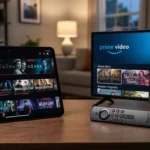
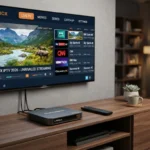
Set-top boxes or smart TV applications decode received streams, converting data packets back into video and audio signals displayable on televisions. These client devices handle user inputs, navigation and playback control.
Conditional access systems protect premium content from unauthorized viewing through encryption and digital rights management. Subscribers' devices receive decryption keys only after authentication, preventing piracy whilst enabling legitimate access.
Interactive features like pause, rewind and recording are enabled through network-based DVR systems storing content on provider servers. This cloud-based approach eliminates local storage requirements whilst enabling access from multiple devices.
Analytics and monitoring systems track viewing patterns, quality metrics and network performance. Providers use this data to optimize delivery, personalize recommendations and identify technical issues requiring intervention.
For comprehensive international IPTV service offering reliable streaming across diverse content categories, Tiviplanet IPTV provides robust platform connecting viewers with global programming through professionally managed infrastructure.
IPTV vs Cable Reddit Community Perspectives
Online communities offer valuable grassroots insights into real-world experiences comparing IPTV and cable services, revealing considerations beyond marketing materials and official specifications.
User testimonials on Reddit platforms provide unfiltered accounts of switching experiences, highlighting both positive surprises and unexpected challenges encountered when transitioning from cable to IPTV services.
Cost comparisons shared by community members reveal actual expenditures including hidden fees often absent from advertised pricing. These real-world budgets help prospective cord-cutters understand total ownership costs.
Technical issue discussions document common problems and community-sourced solutions. From buffering troubleshooting to device compatibility, these crowdsourced knowledge bases supplement official support channels.
Content availability debates compare channel lineups and on-demand libraries between services. Users share which specific networks or programs proved difficult to replace when leaving cable ecosystems.
Sports viewing experiences generate particularly active discussions, with fans comparing IPTV capabilities for live events against traditional cable's established reliability during high-viewership moments.
Regional differences emerge through international user contributions, revealing how IPTV viability varies dramatically based on local internet infrastructure quality and regulatory environments.
Provider recommendations and warnings help community members navigate the fragmented IPTV market, distinguishing legitimate services from questionable operations of dubious legality.
According to Reddit community analyses by digital media researchers, peer-to-peer platforms provide authentic consumer perspectives often more nuanced than professional reviews, though requiring critical evaluation of individual biases.
IPTV vs Cable Price Comparison
Understanding the financial implications of choosing IPTV versus traditional cable requires examining both obvious costs and hidden fees that affect total entertainment expenditures.
Base subscription pricing for IPTV services typically undercuts cable packages offering comparable channel counts. This upfront advantage drives much of IPTV's appeal to budget-conscious households.
Equipment costs differ substantially, with IPTV often requiring only smart TV apps or inexpensive streaming devices versus cable's leased set-top boxes generating recurring monthly fees.
Installation charges for cable services can exceed hundreds of dollars for professional setup, whilst IPTV typically involves simple self-installation requiring only internet connectivity and compatible devices.
Promotional pricing strategies complicate direct comparisons, as both cable and IPTV providers offer introductory rates that increase significantly after initial contract periods. Long-term pricing matters more than temporary discounts.
Bundle opportunities with internet and phone services sometimes make cable competitively priced when purchasing multiple utilities from single providers. These packages require careful analysis of actual usage needs.
Premium channel add-ons and pay-per-view events carry different pricing structures between platforms. Sports packages and movie channels often cost substantially more through traditional cable.
Contract commitments and early termination fees trap cable subscribers into long-term obligations, whilst many IPTV services offer month-to-month flexibility without cancellation penalties.
According to Consumer Reports analyses, typical households save 30-50% monthly by switching from traditional cable to IPTV services, though actual savings depend heavily on viewing habits and specific service selections.
IPTV vs Cable Cost: Beyond Monthly Fees
Total cost of ownership extends beyond advertised subscription rates to encompass numerous additional expenses that significantly impact real-world budgets over time.
Internet bandwidth requirements for IPTV mean households need robust broadband connections, potentially requiring upgrades from basic plans sufficient for cable viewing. These infrastructure costs must factor into calculations.
Data caps imposed by internet service providers can create overage charges for heavy IPTV users streaming hours of high-definition content daily. Unlimited data plans, where available, command premium pricing.
Multi-room viewing with IPTV requires either multiple subscriptions or additional streaming devices for each television, whilst cable typically includes several boxes in package pricing.
DVR functionality comes standard with most cable packages but often costs extra with IPTV services, either through premium subscription tiers or separate cloud storage fees.
Customer support quality affects hidden costs through time spent troubleshooting issues. Cable's established support infrastructure contrasts with variable IPTV provider responsiveness.
Replacement equipment costs emerge when streaming devices fail or become obsolete, whilst cable providers typically replace leased equipment without charge.
Opportunity costs of service interruptions during internet outages affect IPTV more severely than cable, which operates independently of broadband connectivity.
According to CNET cost analyses, comprehensive five-year ownership projections reveal IPTV's price advantage diminishes when accounting for all ancillary expenses, though savings remain significant for most usage profiles.
Advantages of IPTV in 2026
IPTV technology offers numerous benefits over traditional broadcasting that have driven its rapid adoption among tech-savvy consumers and budget-conscious households.
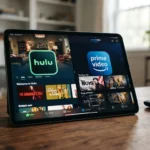
Flexibility and portability allow viewing on multiple device types from smartphones to smart TVs, enabling entertainment anywhere internet connectivity exists. This mobility surpasses cable's television-bound limitations.
Personalization features including customized channel packages let subscribers pay only for desired content rather than subsidizing hundreds of unwatched channels through bloated cable bundles.
On-demand libraries with extensive back catalogues provide instant access to previous episodes and entire series without recording requirements or storage management.
Interactive capabilities enable pausing live television, multi-angle viewing for sports, and integrated shopping or information services enhancing traditional passive viewing experiences.
International content access connects diaspora communities with homeland programming often unavailable through regional cable providers, breaking geographic content barriers.
Cost savings compared to cable subscriptions make premium entertainment accessible to broader audiences, particularly benefiting households carefully managing monthly expenses.
Emerging technologies integrate seamlessly with IPTV infrastructure, enabling features like 4K streaming, virtual reality content and artificial intelligence-powered recommendations ahead of cable's technological evolution.
According to Digital Trends technology reviews, IPTV's architectural advantages position it as the foundation for next-generation television experiences, whilst cable's legacy infrastructure constrains innovation potential.
Disadvantages and Limitations of IPTV
Despite numerous advantages, IPTV faces legitimate challenges and limitations that consumers should understand before completely abandoning traditional services.
Internet dependency creates vulnerability to connectivity disruptions, with service outages, bandwidth throttling and network congestion potentially degrading viewing experiences in ways cable typically avoids.
Quality inconsistency varies more dramatically than cable's generally stable delivery, with IPTV performance fluctuating based on network conditions, provider infrastructure and concurrent household internet usage.
Technical complexity can overwhelm less tech-savvy users accustomed to cable's simplicity. Setup, troubleshooting and optimization may require knowledge beyond plugging in a cable box.
Legal ambiguity surrounds some IPTV providers, with services of questionable legitimacy operating alongside reputable platforms. Distinguishing authorized services from piracy operations requires consumer diligence.
Content gaps persist despite expanding libraries, with some networks and sports leagues maintaining exclusive cable distribution or charging premium rates for IPTV access.
Local channel availability often proves spotty, particularly for regional sports networks and local news broadcasts that cable bundles typically include by default.
Latency issues during live events can spoil time-sensitive viewing like sports, where IPTV streams may lag seconds behind cable broadcasts, ruining surprise through social media spoilers.
According to Tom's Guide balanced assessments, whilst IPTV suits many households perfectly, specific use cases including sports fanatics and rural residents with limited broadband may find traditional cable remains superior option.
Legal and Regulatory Considerations
The IPTV ecosystem includes both legitimate licensed services and unauthorized operations, requiring consumers to understand legal distinctions and potential consequences.
Licensed IPTV providers operate under proper content licensing agreements, paying rights holders for programming distribution. These legitimate services include major platforms and authorized regional providers.
Pirate IPTV services offer suspiciously cheap access to premium content without proper licensing. These operations violate copyright law and expose users to legal risks alongside ethical concerns about content theft.
Regulatory enforcement against illegal IPTV has intensified, with authorities increasingly pursuing both operators and subscribers. Criminal and civil penalties can include substantial fines and service termination.
Geographic restrictions and licensing territories mean content legally available in one region may be unauthorized elsewhere. VPN usage to circumvent geo-blocking exists in legal grey areas depending on jurisdiction.
Data privacy concerns arise with some IPTV providers, particularly unauthorized services potentially monetizing user data or installing malware through compromised applications.
Consumer protection laws offer varying coverage for IPTV disputes compared to established cable regulations. Understanding recourse options before problems arise proves prudent.
Industry lobbying shapes regulatory frameworks, with traditional broadcasters and cable companies advocating policies potentially disadvantaging IPTV competitors through restrictive licensing or network regulations.
According to EFF digital rights analyses, navigating IPTV's legal landscape requires vigilance distinguishing legitimate services from illegal operations whilst understanding evolving regulatory environments.
Future Outlook for IPTV Technology
Examining trends and emerging technologies reveals how IPTV will likely evolve, informing long-term decisions about entertainment infrastructure investments.
5G network deployment promises enhanced mobile IPTV experiences with sufficient bandwidth for high-quality streaming without Wi-Fi dependency. This connectivity evolution could further disrupt traditional television.
Artificial intelligence integration will personalize content discovery through sophisticated recommendation engines surpassing current algorithmic approaches, creating truly individualized viewing experiences.
Interactive and immersive formats including virtual and augmented reality will leverage IPTV's bidirectional capabilities, transforming passive viewing into participatory experiences.
Consolidation trends may see market dominated by fewer large providers as smaller operations struggle competing against economies of scale, potentially reducing consumer choice whilst improving service quality.
Regulatory evolution will continue shaping IPTV landscape as governments balance consumer protection, content creator rights and competitive markets through updated frameworks.
Technology convergence will blur distinctions between IPTV, streaming services and traditional broadcasting as platforms adopt features from competitors, creating hybrid models serving diverse preferences.
Sustainability considerations around data center energy consumption and network infrastructure environmental impact will influence IPTV development, potentially favouring efficient technologies.
According to Wired future technology forecasts, IPTV represents foundational architecture for how humanity will consume video content across coming decades, with traditional broadcasting relegated to niche applications.
Frequently Asked Questions
What internet speed is required for IPTV?
Minimum speeds of 10-25 Mbps support standard definition streaming, whilst high-definition requires 25-50 Mbps. 4K content demands 50+ Mbps. Households with multiple simultaneous streams need proportionally higher bandwidth.
Is IPTV legal to use?
Licensed IPTV services operating under proper content agreements are completely legal. Unauthorized services distributing pirated content violate copyright law. Consumers should verify provider legitimacy before subscribing.
Can IPTV work without internet?
No, IPTV fundamentally requires internet connectivity as content is delivered via IP networks. Unlike cable or satellite, IPTV cannot function during internet outages.
How does IPTV compare to Netflix?
Netflix is a streaming service offering primarily on-demand content. IPTV provides both live television channels and on-demand libraries, functioning more like complete cable replacement than supplementary streaming service.
Do I need special equipment for IPTV?
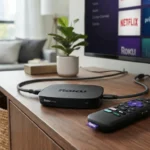
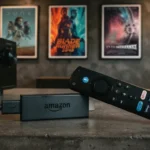
Smart TVs, streaming devices like Roku or Fire TV, or dedicated IPTV boxes can receive services. Many providers offer apps for various platforms, minimizing equipment requirements.
Will IPTV replace traditional cable completely?
Trends suggest continued IPTV growth at cable's expense, though complete replacement remains uncertain. Rural areas with limited broadband and specific use cases may sustain cable services long-term.
Are there contracts required for IPTV services?
Many IPTV providers offer month-to-month subscriptions without long-term commitments, contrasting with cable's typical contract requirements. Terms vary by provider.
Can I watch local channels on IPTV?
Local channel availability varies significantly by provider and location. Some IPTV services include local broadcasts whilst others focus primarily on national and international content.
How reliable is IPTV compared to cable?
Reliability depends on internet connection quality and provider infrastructure. Well-implemented IPTV over robust broadband can match cable reliability, whilst poor internet or questionable providers create frustrating experiences.
What happens if my internet is slow?
IPTV services typically employ adaptive bitrate streaming, automatically reducing quality to prevent buffering when bandwidth is limited. This maintains playback at cost of visual quality.
Conclusion
IPTV represents a fundamental reimagining of television content delivery, leveraging internet infrastructure to provide flexibility, personalization and cost advantages over traditional cable broadcasting. As we progress through 2026, the technology has matured into viable primary entertainment source for millions.
The advantages of IPTV including cost savings, device flexibility and extensive content libraries make compelling cases for cord-cutting, particularly for households with reliable high-speed internet and diverse viewing preferences.
Disadvantages centred on internet dependency, variable quality and legal ambiguities require careful consideration. Not all households will find IPTV superior to cable across all dimensions, with specific circumstances favouring traditional services.
Cost comparisons reveal substantial potential savings, though actual economics depend on comprehensive analysis including internet upgrades, equipment purchases and ancillary expenses beyond advertised subscription rates.
Legal considerations demand consumer vigilance distinguishing legitimate licensed services from piracy operations. The consequences of supporting unauthorized IPTV extend beyond personal legal risk to undermining content creation ecosystems.
The competitive landscape between IPTV and cable continues evolving, with traditional providers adopting IPTV technologies whilst pure-play internet services expand offerings. This convergence may ultimately benefit consumers through improved options.
Future developments promise enhanced capabilities through 5G networks, artificial intelligence and immersive technologies. IPTV's architectural flexibility positions it advantageously for incorporating innovations impossible with cable's legacy infrastructure.
Making informed choices requires honestly assessing household needs, internet capabilities, viewing habits and budget priorities. For many, IPTV offers superior value proposition, whilst others may find hybrid approaches or continued cable service better match requirements in 2026's diverse entertainment landscape.



[…] World Cup 2026 Exit July 4, 2026Cape Verde Steal the Show Against Argentina in World Cup 2026 July 4, 2026What Is IPTV? How Does It Work, What Are the Pros and Cons in 2026? July 3, 2026Top […]
[…] World Cup 2026 Exit July 4, 2026Cape Verde Steal the Show Against Argentina in World Cup 2026 July 4, 2026What Is IPTV? How Does It Work, What Are the Pros and Cons in 2026? July 3, 2026Top […]