























Firesticks Becoming Obsolete !
Firesticks Becoming Obsolete – The streaming device landscape has undergone a remarkable transformation over the past decade. What began as a niche product for early adopters has evolved into a mainstream entertainment essential found in millions of households worldwide. The Amazon Fire TV Stick, in particular, has become synonymous with cord-cutting, offering an affordable and accessible gateway to the vast world of streaming content. But as we navigate through 2026, a pressing question has emerged in technology forums and consumer discussions: are these once-revolutionary devices facing obsolescence?
I have been covering the streaming technology sector for over a decade, and I have witnessed countless product cycles where dominant players were seemingly dethroned by newer, more capable alternatives. The Firestick news cycle has been particularly intense in recent months, with Amazon releasing updates, competitors launching aggressive new products, and consumer behaviour shifting in unexpected directions. The question of whether Firesticks are becoming obsolete is not merely academic; it has real implications for millions of consumers who rely on these devices for their daily entertainment.
The short answer is nuanced. Firesticks are not becoming obsolete in the traditional sense, but they are certainly facing unprecedented competition and evolving consumer expectations that challenge their continued relevance. To understand why, we need to examine the current state of the streaming device market, the technological developments shaping the industry, and the changing habits of consumers in 2026.
Table of Contents
The Evolution of the Streaming Device Market
When Amazon first launched the Fire TV Stick in 2014, it was a revelation. Here was a device that could transform any television with an HDMI port into a smart TV, providing access to Netflix, Amazon Prime Video, and a growing ecosystem of streaming applications. The price point was accessible, the setup was simple, and the convenience was undeniable. Competing devices like the Roku Streaming Stick, Google Chromecast, and Apple TV offered similar functionality, but the Fire Stick quickly established itself as the market leader.
The success of the Fire Stick was driven by several factors. Amazon's ecosystem integration meant that Prime members could access their content seamlessly. The voice remote with Alexa integration provided a user-friendly interface that appealed to less technically inclined consumers. The regular software updates ensured that the devices remained current with new features and security patches. Most importantly, the aggressive pricing strategy made the Fire Stick an impulse purchase for millions of consumers.
Fast forward to 2026, and the landscape looks markedly different. Smart TVs now come with built-in streaming capabilities, rendering standalone streaming devices unnecessary for many consumers. The rise of smart displays and soundbars with integrated streaming functionality has further fragmented the market. Meanwhile, the Fire Stick itself has evolved through multiple generations, with Amazon releasing upgraded versions that offer better performance, improved graphics, and enhanced features.
Current Firestick Models and Features
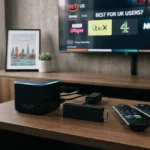
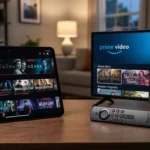
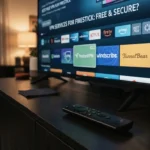
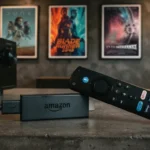
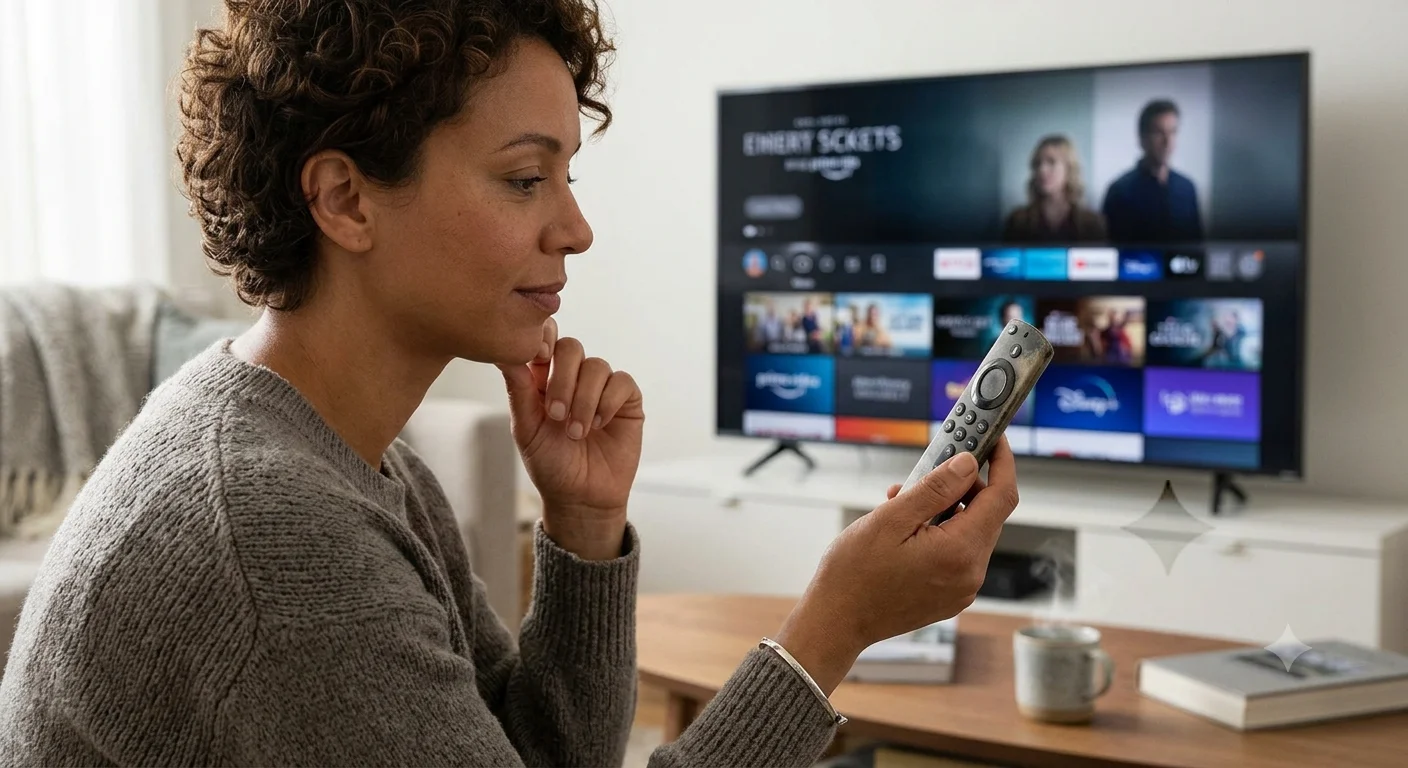
The Amazon Fire TV Stick lineup in 2026 consists of several models catering to different consumer needs and budgets. The entry-level Fire TV Stick Lite offers basic streaming functionality at an accessible price point. The standard Fire TV Stick provides a good balance of features and performance. The Fire TV Stick 4K and Fire TV Stick 4K Max offer enhanced streaming quality for consumers with 4K televisions. The Fire TV Cube, a more powerful device with integrated Alexa functionality, sits at the top of the range.
Each generation has brought improvements in processing power, graphics performance, and user interface responsiveness. The latest models support Wi-Fi 6 for faster and more reliable connections, HDR10+ for improved picture quality, and Dolby Atmos for immersive audio experiences. The voice remote has evolved to include programmable buttons, allowing users to customise their experience.
However, the pace of innovation has slowed in recent years. The fundamental capabilities of streaming devices have stabilised, and the differences between generations are increasingly incremental rather than revolutionary. This has led some consumers to question whether upgrading is worthwhile, particularly when their existing devices continue to function adequately.
Vega Firestick and Alternative Options
The emergence of the Vega Firestick has added an intriguing dimension to the streaming device market. This alternative device has gained attention for its competitive pricing and feature set, offering some capabilities that rival the established Amazon products. However, it is important to distinguish between established, reputable products and lesser-known alternatives that may not offer the same level of reliability or support.
The Vega Firestick positions itself as a budget-friendly alternative, appealing to consumers who are price-sensitive or who may be dissatisfied with the Amazon ecosystem. Its rise reflects broader trends in the market, where consumers are increasingly seeking alternatives to dominant platforms. The availability of multiple options has been beneficial for consumers, creating competitive pressure that drives innovation and price reductions.
Yet the question remains whether these alternatives can truly compete with the established players. Amazon's investment in research and development, their extensive ecosystem, and their track record of software updates provide significant advantages. While alternative devices may offer attractive features on paper, the overall user experience often falls short of what consumers have come to expect from market leaders.
Consumer Usage Patterns in 2026
Understanding whether Firesticks are becoming obsolete requires examining how consumers are actually using streaming devices. The data reveals a complex picture with several important trends.
Smart TV Integration
The most significant factor affecting the Fire Stick market is the widespread adoption of smart TVs. By 2026, the vast majority of new televisions sold include built-in streaming capabilities. These integrated systems offer several advantages: they eliminate the need for an additional device, they provide a unified user interface, and they reduce cable clutter. For many consumers, the convenience of built-in streaming outweighs the advantages of a dedicated streaming device.
Changing Viewing Habits
Consumer viewing habits have evolved significantly in the 2020s. The rise of social media and short-form video platforms has changed how people consume content. While traditional television viewing remains strong, there is increased fragmentation in how audiences engage with video content. This has implications for streaming devices that are primarily designed for traditional television viewing.
The Role of Mobile Devices
The convenience of watching content on smartphones and tablets cannot be overstated. Many consumers now prefer to watch content on mobile devices, particularly for shorter viewing sessions. This has reduced the reliance on television-based streaming devices for a significant portion of the population.
The Impact of Live Television
The resurgence of live television viewing, particularly for sports and events, has kept television screens relevant. Streaming devices that can deliver reliable live television experiences remain valuable to consumers who prioritise these viewing experiences.
Technical Limitations and Performance Issues
Despite their popularity, Firesticks are not without their technical limitations. Understanding these limitations is essential for evaluating whether the devices are becoming obsolete.
Processing Power Constraints
The compact form factor of Firesticks imposes constraints on processing power and thermal management. While each generation has improved performance, these devices cannot match the capabilities of more powerful streaming devices like the Apple TV or dedicated media players. This limitation becomes apparent when streaming high-bitrate content or when navigating through complex user interfaces.
Storage Limitations
Firesticks have limited internal storage, which can become a constraint when installing multiple applications or downloading content for offline viewing. While Amazon has increased storage capacity in newer models, the limitations persist for power users who may want to install several applications simultaneously.
Connectivity Issues
Wi-Fi connectivity can be inconsistent, particularly in households with many wireless devices or in areas with poor signal coverage. While newer models support Wi-Fi 6, older devices may struggle with connectivity, leading to frustrating buffering issues during streaming.
Support Lifecycle Concerns
Amazon provides software updates for Firesticks for several years after their release, but eventually, older models reach the end of their support lifecycle. When this occurs, the devices may no longer receive security updates or support for new applications. This planned obsolescence is a concern for consumers who want to maximise the lifespan of their devices.
The User Experience Factor
One of the most important considerations in the Firestick debate is the user experience. Amazon has invested heavily in refining the Fire TV user interface, and the resulting experience is generally positive. The integration of Alexa voice control is intuitive and powerful, allowing users to search for content, control playback, and access a wide range of information simply by speaking.
The user interface has evolved to highlight personalised content recommendations, making discovery easier for consumers. The integration of live television listings, when connected to compatible services, provides a unified viewing experience that resembles traditional cable television.
However, some users have expressed frustration with the advertising and promotional content that has become increasingly prominent on the Fire TV home screen. The balance between helping users discover content and forcing promotional material upon them is a delicate one, and not all consumers are satisfied with Amazon's approach.
Cost-Benefit Analysis for Consumers
For consumers considering whether to purchase a Firestick in 2026, a cost-benefit analysis is illuminating. The initial cost of a Firestick is relatively modest, ranging from approximately thirty to sixty pounds depending on the model. This low entry price makes the device accessible to virtually any household.
The benefit of using a Firestick is primarily the ability to access streaming content in a convenient, user-friendly manner. For consumers without a smart TV, a Firestick provides an affordable upgrade path. For consumers with a smart TV, a Firestick may offer a more refined user experience or additional features not available on their television's built-in system.
However, the value proposition is diminishing. Smart TVs have improved significantly, offering experiences that increasingly rival dedicated streaming devices. The difference in user experience between a modern smart TV and a Firestick is narrowing, making the additional purchase less compelling for many consumers.
The Reddit Perspective: What Users Are Saying
The question of whether Firesticks are becoming obsolete has been the subject of extensive discussion on platforms like Reddit. The "Are firesticks becoming obsolete reddit" discussions reveal a diverse range of opinions from real users.
Performance Degradation Concerns
Many users report that their Firesticks have become slower over time, particularly older models. This performance degradation is attributed to a combination of factors: accumulated data, system updates that impose additional processing requirements, and the natural wear of solid-state storage. Users who have experienced this decline often express frustration and consider upgrading to newer models or alternative devices.
The Value of Ecosystem Integration
Amazon Prime members consistently value the seamless integration between Firesticks and Amazon's broader ecosystem. Features like the ability to access Amazon Photos, shop through the device, and integrate smart home controls add significant value for those already invested in the Amazon ecosystem. For these users, the Firestick remains a valuable and relevant device.
Comparisons with Alternative Options
Discussions frequently compare Firesticks with alternative streaming devices, smart TVs, and even gaming consoles that offer streaming capabilities. Users often weigh the advantages and disadvantages of each option, considering factors such as cost, performance, user interface quality, and ecosystem support.
Community Support and Troubleshooting
The active Reddit community provides substantial peer support for Firestick users, helping them troubleshoot issues, discover new features, and maximise their device usage. This community engagement is a valuable resource that extends the perceived value of the devices.
Alternative Streaming Solutions in 2026
For consumers who decide that Firesticks no longer meet their needs, there are numerous alternatives available in 2026.
Roku Devices
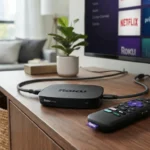
Roku continues to offer a compelling alternative, with a user-friendly interface and extensive channel selection. Their devices are often priced competitively and provide a straightforward streaming experience that many consumers appreciate.
Google Chromecast
Google Chromecast offers a different approach to streaming, focusing on casting content from mobile devices. The latest models include Google TV integration, providing a complete smart TV experience. The integration with Google's ecosystem appeals to Android users and those who prefer the Google Assistant.
Apple TV
Apple TV remains the premium option in the streaming device market, offering superior processing power, extensive app support, and excellent integration with the Apple ecosystem. The higher price point is justified by the quality of the hardware and the refinement of the user experience.
Smart TV Platforms
The built-in streaming capabilities of modern smart TVs have improved dramatically. Platforms like Tizen (Samsung), webOS (LG), and Google TV offer comprehensive streaming experiences that rival dedicated devices. For many consumers, these integrated systems are sufficient for their needs.
Game Consoles
PlayStation and Xbox consoles provide excellent streaming capabilities alongside their gaming functionality. For consumers who already own gaming consoles, the need for a dedicated streaming device is significantly reduced.
Future Outlook for Streaming Devices
Looking ahead, the future of streaming devices like the Firestick appears mixed. While they are unlikely to disappear entirely, their role in the household entertainment ecosystem is likely to evolve.
Specialist Niches
Streaming devices may find a continuing role in specialist niches, such as portable use, travel, and households with specific requirements. The ability to transform any television into a smart TV remains valuable in certain contexts.
Feature Consolidation
The trend toward feature consolidation suggests that streaming devices will increasingly integrate additional functionality, such as smart home control, voice assistance, and even gaming capabilities. This convergence may provide a new value proposition for consumers.
The Shift Toward Software
As hardware differences narrow, the software experience becomes increasingly important. The streaming device ecosystem will likely be defined by the quality of the user interface, content discovery features, and ecosystem integration.
Frequently Asked Questions
Is it worth buying a Firestick in 2026?
The decision to buy a Firestick in 2026 depends on your specific circumstances. If you have a smart TV with good streaming capabilities, the additional investment may not be worthwhile. However, if you have an older television or prefer the Fire TV user interface, the purchase can still be valuable. Consider the cost against the benefits of improved performance, features, and ecosystem integration.
What is the Vega Firestick and is it better than Amazon's Firestick?
The Vega Firestick is an alternative streaming device that has gained attention for its competitive pricing. While it offers similar basic functionality to Amazon's Firestick, the overall quality, reliability, and ecosystem support may differ. Research user reviews and community feedback before deciding which device best suits your needs.
Are Firesticks becoming obsolete because of smart TVs?
Smart TVs have certainly reduced the necessity of separate streaming devices. The built-in capabilities of modern smart TVs often meet the needs of average consumers, reducing the demand for standalone devices. However, Firesticks continue to offer advantages in terms of user interface, performance, and ecosystem integration.
How long do Firesticks typically last?
Firesticks generally remain functional for several years, but they may experience performance degradation over time. Amazon provides software updates for approximately three to five years from the device's release date. After this period, the device may become outdated and less capable of running newer applications.
What are the common performance issues with Firesticks?
Common performance issues include slow responsiveness, buffering during streaming, storage limitations, and Wi-Fi connectivity problems. These issues can often be addressed through software updates, cache clearing, or upgrading to a newer model.
Can I use a Firestick with any television?
Firesticks require a television with an HDMI port. Most modern televisions have HDMI ports, but older televisions may need an HDMI to component or composite converter. The Firestick also requires a Wi-Fi connection and a power source.
What should I consider before buying a streaming device?
Consider your existing devices, viewing habits, budget, and ecosystem preferences. If you already have a smart TV with good streaming capabilities, you may not need a separate device. If you watch content on multiple televisions or travel frequently, a portable streaming device may be beneficial.
How do Firesticks compare with other streaming devices in 2026?
Firesticks offer good value for money, excellent ecosystem integration for Amazon Prime members, and a user-friendly interface. However, alternatives like Roku, Google Chromecast, and Apple TV offer different advantages in terms of interface, ecosystem support, and performance.
What is the best streaming device for cord-cutters in 2026?
The best streaming device depends on individual preferences. For Amazon ecosystem users, the Firestick remains an excellent choice. For Google ecosystem users, Chromecast with Google TV offers compelling advantages. For Apple users, Apple TV provides premium quality and integration.
Will streaming devices become completely obsolete in the future?
Streaming devices are unlikely to become completely obsolete, but their role will continue to evolve. As smart TVs and integrated platforms improve, the market for standalone devices will shrink. However, there will remain niches where portable streaming devices are valuable.
Conclusion
The question of whether Firesticks are becoming obsolete does not have a simple answer. The devices themselves are evolving, the market is changing, and consumer expectations are shifting. For some users, particularly those with modern smart TVs and simple streaming requirements, a Firestick may indeed be redundant. For others, particularly Amazon ecosystem enthusiasts and those with older televisions, the Firestick remains an essential device.
The streaming device market is maturing, and the rapid innovation of the early years has given way to more incremental developments. However, Amazon continues to invest in the Fire TV platform, and millions of users remain loyal to the ecosystem. The Firestick is not obsolete, but it is increasingly a choice rather than a necessity.
The Amazon Fire TV Stick remains a competent and affordable streaming solution that meets the needs of many consumers. Its integration with the broader Amazon ecosystem provides unique advantages that are difficult to replicate with alternative devices. The addition of features like Alexa voice control and smart home integration ensures that the Firestick continues to offer value beyond simple streaming.
For consumers evaluating their streaming options in 2026, the decision comes down to individual needs rather than the superiority of any single device. Smart TVs have reduced the necessity of separate devices, but they have not eliminated the value proposition entirely. The Firestick's portability, ease of use, and ecosystem integration ensure that it will remain relevant for the foreseeable future.
If you are already invested in the Amazon ecosystem, a Firestick is likely to remain a valuable addition to your entertainment setup. If you are starting from scratch or prefer a different ecosystem, there are excellent alternatives available. The key is to understand your specific requirements and choose the device that best meets your needs.
The streaming revolution continues to evolve, and the devices that connect us to content will adapt alongside consumer habits. The Firestick may not be the revolutionary product it once was, but it remains a capable and useful device for millions of households. Its future is not about obsolescence but about adaptation to changing consumer needs and technological capabilities.



[…] Exit From World Cup 2026: What Happens Next for Cristiano Ronaldo After Portugal’s Exit July 6, 2026Are Firesticks Becoming Obsolete? The Truth About Streaming Devices in 2026 July 6, […]