
















































Is Free VPN Safe?
Is it Safe to use a Free VPN?
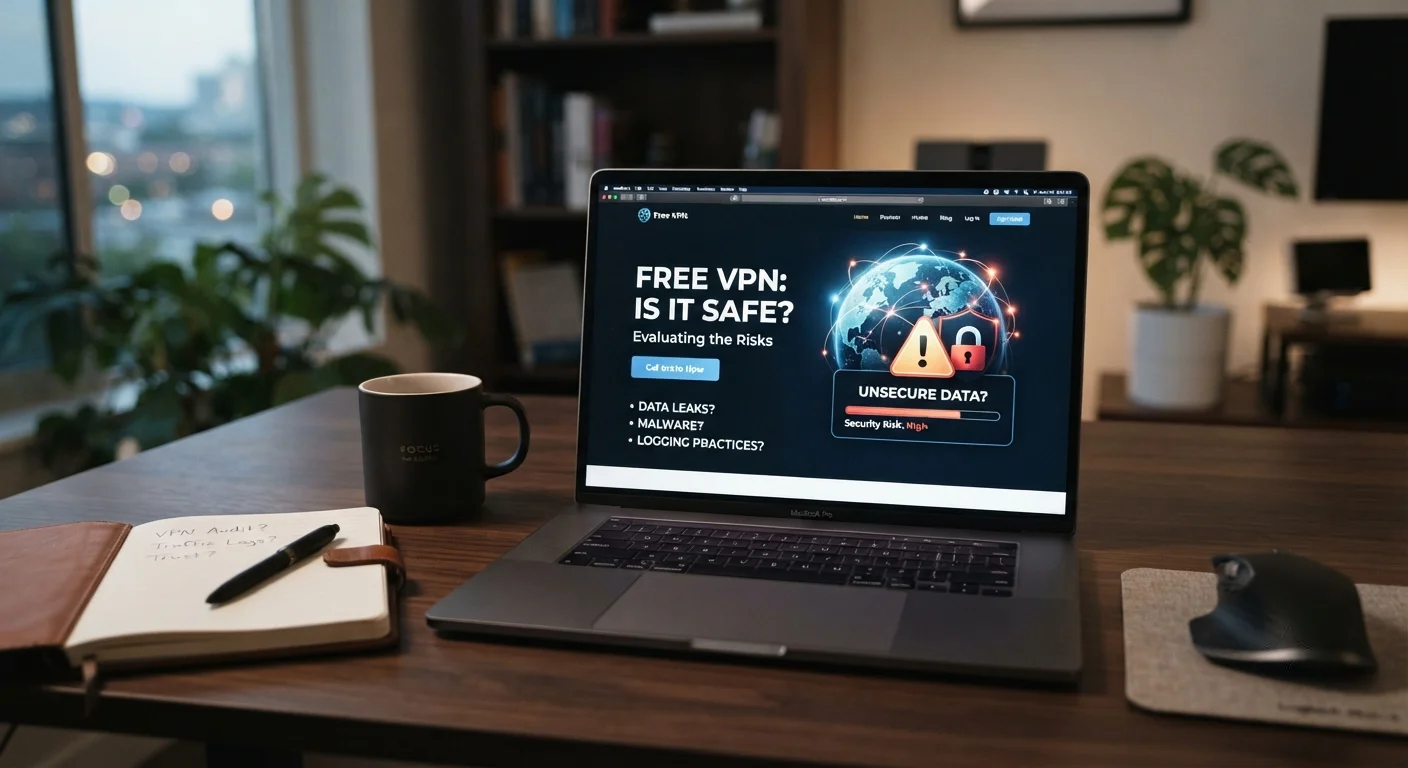
Free VPN Safe – Free VPNs can be a tempting option for those looking to protect their online identity and access geo-restricted content. However, the question remains: is free VPN safe? The answer is a resounding no. Free VPNs can pose significant security risks, compromising user data and privacy. In this article, we will delve into the dangers of free VPNs, explore the risks associated with them, and provide guidance on how to choose a safe VPN for your needs in the UK.
What You Will Learn:
– The risks associated with free VPNs
– How to identify a safe VPN
– The importance of data protection and online privacy
– UK-specific VPN regulations and considerations
– Tips for choosing a reliable VPN provider
Table of Contents
The Direct Answer: Is Free VPN Safe
In short, no, free VPNs are not safe. They can compromise your online security, putting your personal data and privacy at risk. Free VPNs often lack robust security measures, may collect and sell user data, and can be vulnerable to cyber attacks. When choosing a VPN, it's essential to prioritize your online safety and opt for a reputable, paid VPN provider.
Understanding the Background
The rise of free VPNs has been fueled by the growing demand for online security and access to geo-restricted content. However, many free VPNs are not transparent about their data collection and usage policies, leaving users vulnerable to exploitation. In the UK, the Investigatory Powers Act 2016 and the General Data Protection Regulation (GDPR) regulate data protection and online privacy. Despite these regulations, many free VPNs continue to operate with questionable practices, putting users at risk.
Complete Guide: Choosing a Safe VPN
When selecting a VPN, it's crucial to consider several factors to ensure your online safety. Here's a step-by-step guide to help you choose a safe VPN:
1. Research and Reputation
Look for VPN providers with a strong reputation, transparent data policies, and robust security measures. Check online reviews, ratings, and testimonials to gauge the provider's reliability.
2. Encryption and Security Protocols
Ensure the VPN uses industry-standard encryption protocols, such as AES-256, and supports secure tunneling protocols like OpenVPN or WireGuard.
3. Data Collection and Logging Policies
Opt for a VPN provider with a strict no-logs policy, ensuring your online activities and data are not collected or stored.
4. Server Locations and Availability
Choose a VPN with a wide range of server locations, ensuring you can access geo-restricted content and maintain a stable connection.
5. Customer Support and Resources
Look for VPN providers with 24/7 customer support, comprehensive resources, and a user-friendly interface.
Options and Approaches
When considering VPN options, it's essential to weigh the pros and cons of different approaches. Here are a few:
1. Paid VPNs
Paid VPNs offer robust security measures, transparent data policies, and reliable customer support. They are the safest option for those prioritizing online security.
2. Free VPNs with Ads
Free VPNs with ads may collect user data and display targeted advertisements, compromising online privacy.
3. Free VPNs without Ads
Free VPNs without ads may still collect user data and lack robust security measures, putting users at risk.
European Perspective and Regional Considerations
In the UK, VPN users must comply with the Investigatory Powers Act 2016 and the GDPR. When choosing a VPN, consider the following regional considerations:
1. Data Protection Regulations
Ensure the VPN provider complies with UK data protection regulations, safeguarding your online privacy.
2. Server Locations and Availability
Choose a VPN with servers located in the UK or nearby countries, ensuring stable connections and access to geo-restricted content.
3. Customer Support and Resources
Opt for a VPN provider with customer support and resources tailored to UK users, ensuring prompt assistance and guidance.
Expert Tips and Best Practices
Here are some expert tips and best practices for choosing a safe VPN:
- Always read the fine print and review the VPN's data policies.
- Choose a VPN with a strong reputation and transparent security measures.
- Use a VPN with a kill switch to ensure your data is protected in case of a connection drop.
- Regularly update your VPN software and firmware to ensure you have the latest security patches.
- Use a VPN with a built-in ad blocker to minimize the risk of malware and tracking.
- Avoid using free VPNs, especially those with ads or questionable data policies.
- Consider using a VPN with a dedicated IP address for added security and stability.
Common Mistakes to Avoid
When choosing a VPN, it's essential to avoid common mistakes that can compromise your online safety. Here are a few:
1. Ignoring Data Policies
Failing to review the VPN's data policies can lead to data collection and exploitation.
2. Overlooking Security Measures
Neglecting to check the VPN's security measures can leave you vulnerable to cyber attacks.
3. Choosing a VPN with a Poor Reputation
Selecting a VPN with a poor reputation can compromise your online safety and data protection.
4. Not Updating VPN Software
Failing to update your VPN software can leave you vulnerable to security vulnerabilities and exploits.
5. Using a VPN with a Weak Password
Using a VPN with a weak password can compromise your account and data security.
Comparison Table
| VPN Provider | Encryption | Logging Policy | Server Locations | Customer Support |
|---|---|---|---|---|
| ExpressVPN | AES-256 | No-logs | 94 countries | 24/7 live chat |
| NordVPN | AES-256 | No-logs | 62 countries | 24/7 live chat |
| ProtonVPN | AES-256 | No-logs | 42 countries | 24/7 live chat |
Frequently Asked Questions
What is a VPN and how does it work?
A VPN, or Virtual Private Network, is a service that creates a secure, encrypted connection between your device and a VPN server. This connection allows you to access geo-restricted content and protects your online data from third-party interception.
Is it safe to use a free VPN?
No, it is not safe to use a free VPN. Free VPNs often lack robust security measures, may collect and sell user data, and can be vulnerable to cyber attacks.
What is the difference Between a paid VPN and a Free VPN?
Paid VPNs offer robust security measures, transparent data policies, and reliable customer support. Free VPNs, on the other hand, may collect user data, display targeted advertisements, and lack robust security measures.
Can I use a VPN on multiple devices?
Yes, many VPN providers offer simultaneous connections on multiple devices. Be sure to check the provider's policies and limitations before signing up.
How do I choose a VPN for streaming?
When choosing a VPN for streaming, consider the provider's server locations, connection speeds, and compatibility with your streaming device.
Final Thoughts
When it comes to choosing a VPN, it's essential to prioritize your online safety and security. Free VPNs can pose significant risks, compromising your data and privacy. By understanding the risks associated with free VPNs and following our expert tips and best practices, you can make an informed decision and choose a safe VPN for your needs in the UK. Remember, a paid VPN is always the safest option, offering robust security measures, transparent data policies, and reliable customer support.
